From Fabric Swatch to Completed Room: Selecting Coordinated Sofa Covers and Bedding
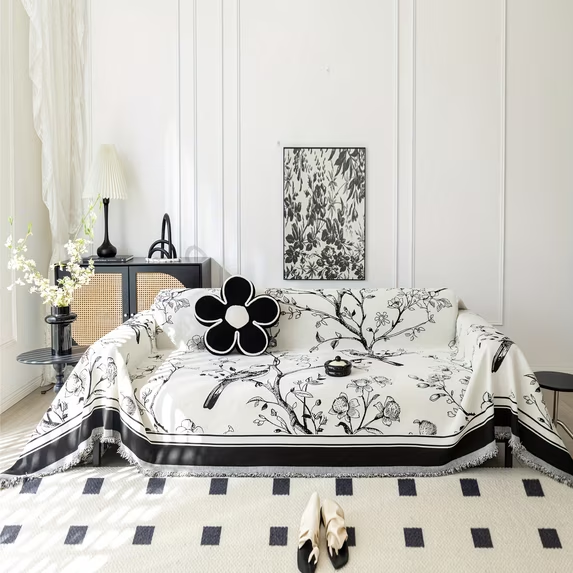
A fabric swatch can seem beautifully soft and visually elegant, yet still prove unsuitable for the product you intend to make. After the fabric is shaped around a sofa, constructed as a cover or used for bedding, its practical characteristics become more apparent. The material's weight affects the way it falls, the surface responds differently to changing light, and the construction affects how straightforward maintenance will be.
Deciding on a sofa cover, sofa panel or bed cover consequently goes beyond selecting an attractive colour. The more practical question concerns how the finished furnishing should perform during normal daily use. A room that accommodates regular family gatherings places different demands on furnishings compared with a bedroom intended primarily for occasional guests.
Considering these familiar everyday circumstances provides a practical basis for comparing holland velvet, mosha velvet, quilting and embroidery rather than judging each option purely by its looks. It can also stop minor sampling choices from developing into costly issues once the completed furnishings reach the room.
Consider Everyday Activities in the Room First
Before you begin comparing fabrics, identify how each furnishing is likely to be used. A sofa where someone reads briefly each evening experiences different levels of use than a sofa that sees frequent use from morning until evening. Repeated movement, animals, food and strong sunlight can change which fabric properties matter most in the selection process.
For a sofa cover, establish whether its primary role is everyday protection, a decorative update or a removable covering for occasional use. While several goals may apply, one commonly determines the main requirements. A protective covering needs consistent coverage and a position that stays secure, while a decorative piece used infrequently might place more value on how it hangs.
In the bedroom, distinguish the appearance of a neatly made bed and the practical comfort necessary overnight. A bed cover might be intended primarily to give the bed a tidy appearance, but a comforter is commonly used to provide insulating warmth. Understanding which function is most important reduces the chance of choosing unnecessary weight or difficult bedding arrangements.
Express these requirements in clear, practical terms. For example, “easy to remove and dry” is more useful than “premium quality” since it identifies a practical feature that can be checked.
Look Beyond Colour to Understand a Fabric Swatch
A small fabric swatch can reveal its texture, but cannot demonstrate every feature of a completed furnishing. Try holding it upright, placing it on a flat surface and folding it across a curve. Such simple adjustments help indicate whether the material falls softly, retains its shape or gathers into heavy folds.
Inspect both the front surface and the reverse side. The backing material may influence stability, thickness and sewing performance. An appealing surface does not necessarily make the fabric suitable for every construction technique, most notably where different layers meet along seams and at corners.
For holland velvet, assess the actual fabric sample and specification instead of treating the name as proof of a standard composition or performance level. Different products can have different fibres, backing materials, pile characteristics and finishes. Use an equally detailed assessment for mosha velvet, examining the product details together with a representative swatch.
Compare fabric samples in the lighting conditions of the intended room. Daylight and lamps used after dark can make underlying colours appear different. A neutral fabric that appears invitingly warm as a small swatch can look considerably cooler alongside established interior finishes.
Make Directional Surfaces Part of the Design
Velvet can look lighter or darker depending on the direction from which it is viewed. The variation is often most apparent where separate fabric sections sit alongside one another, as cutting pieces in different directions may create an accidental patchwork appearance even if every section comes from the same fabric roll.
When designing a sofa panel arrangement, decide on the intended pile direction before cutting. The direction of every exposed section should be selected deliberately. If different pile directions are intentionally being used as a design feature, the approved sample should make that decision clearly visible.
This principle also applies when working with removable cushions or standalone covers. Sections that appear uniform when laid flat might appear noticeably different when arranged against an upright back cushion or positioned horizontally across the seating area.
Test the material using the kinds of handling it will encounter. Soft brushing and slight pressure may produce temporary changes in the visible pile. Find out what surface behaviour is normal and which care method is recommended. Understanding these visual variations realistically helps distinguish expected visual changes from actual production faults.
Consider Movement Alongside Measurements When Fitting a Sofa Cover
A sofa does not behave like a completely rigid box. Its cushions compress, people change positions and armrests interrupt the route of the fabric. Relying solely on total width and height measurements can leave essential fitting requirements unaccounted for.
Note the depth of the seat, backrest height, arm design and positioning of the cushions. Check if the sofa cushions are fixed in place or can be taken off, and identify any sections of the furniture that move. Any moving components must remain able to operate normally under the cover rather than stretching tightly across their connecting points.
Plan the placement of fabric allowance around the furniture. Insufficient allowance may create strain at the corners, whereas too much material might bunch together or shift towards the front edge. A fitted, tailored design needs different measurement decisions from those used for a loose, throw-style sofa cover.
If practical, arrange a sample fit before final approval, and sit and stand several times afterwards. Look for movement of the cover, uncovered seating areas or awkward ridges forming in the fabric. Testing the cover through ordinary movement often reveals weaknesses that are difficult to notice in a posed photograph.
Removal and replacement deserve attention too. A smart-looking cover that takes considerable time and effort to refit can become inconvenient if it needs frequent washing or cleaning.
Consider Quilting as a Structural Feature as Well as a Design
Quilting connects separate fabric layers with stitching, forming a textile surface that may offer added body, surface detail and a recognisable visual pattern. The outcome depends on the outer fabric, filling, backing, stitching arrangement and workmanship.
Tightly arranged quilting lines may produce different characteristics than widely separated stitching. Nevertheless, visual appeal by itself cannot confirm softness, insulation or long-term durability. Assess the full layered construction rather than only its visible surface because an identical stitching pattern may perform differently with a changed filling or backing.
In a quilted sofa cover, consider whether the layers can follow the sofa's arms and seating contours comfortably. Too much thickness may make fitting difficult, particularly in areas where fabric must be pushed into narrow gaps.
For bedroom textiles, assess the relationship between softness of movement and shape retention. The bed cover needs to fall correctly along the sides of the mattress without becoming cumbersome to fold or put away.
Check the reverse surface with the same care as the front. Irregular thread tension, unsecured threads and puckered areas might reveal construction problems that become increasingly visible over a large area. The appeal of a stitching pattern matters only when it is supported by reliable, consistent construction.
Assess How Multi Needle Production Affects Finished Textiles
Multi needle machinery can produce repeated stitching designs across layered fabrics. The usefulness of this method depends on the relationship between equipment settings, fabric materials and pattern design. Simply using this production method does not guarantee a particular finished quality.
When inspecting a production sample, check that repeated stitches retain even spacing and alignment. Inspect for skipped stitching, inconsistent tension or evidence that one layer has shifted against another. Checking these features is more informative compared with relying simply on the stated type of machine.
The position of a pattern remains important once the fabric is cut. A repeating motif that seems balanced over a long piece of fabric might lose its intended balance when used on a small sofa panel or near bedding edges. The planned cutting layout should therefore consider which parts of the repeat will remain visible.
With larger orders, base approval on a finished sample that represents the intended item instead of judging only a continuous, uncut quilting sample. Make sure the finished sample includes the intended borders and seam construction, as these details may contribute additional thickness or influence the final measurements.
Position Embroidery with Comfort and Appearance in Mind
Embroidery introduces decorative detail through stitched thread, although its location affects how the product looks and feels during use. An embroidered design on the front of a cushion experiences different contact pressures than stitching placed under the weight of a person sitting on the furniture.
Assess the amount of stitching and the texture produced by the selected motif. Raised details or areas containing substantial stitching may feel hard against the body. For seating used regularly, a more discreet position away from the principal contact area can offer a better balance between visual interest and practical comfort.
Inspect the material around each stitched motif for pulling or changes in shape. Dense threadwork may draw a thin base material towards the centre of the motif if the chosen materials and stabilisation do not provide sufficient support. When embroidery is applied to pile fabrics, the motif must also remain clearly defined to remain visible on the fabric surface.
Examine the underside together with any lining intended to separate stitching from the body. Loose threads and rough patches require attention before accepting the completed piece.
A coordinated interior does not require every furnishing to feature embroidery. Repeating a decorative pattern on selected pieces rather than every surface can connect the room visually while leaving plain areas to provide balance.
Consider Bedding Style and Sleeping Comfort Independently
A completed bedroom setting may include a bed cover together with a comforter, but each should be evaluated according to the purpose it is meant to serve. Because product names are not always applied consistently, confirm the actual materials and construction rather than trusting the name alone.
When choosing a decorative upper layer, consider dimensions, how it hangs and how much of the mattress it covers. A mattress with greater depth or a desire for extended side coverage may considerably alter the size that should be chosen.
When assessing a comforter, examine its filling specification, overall design and maintenance instructions. The amount of warmth provided depends on factors such as the filling material and loft; the total weight cannot independently establish which of two products will be warmer.
Consider the practical needs of whoever makes and sleeps in the bed. Thicker, heavier bedding may provide a visually rich finish but prove troublesome to rearrange, clean or store. Using numerous decorative coverings may be impractical when they are taken off the bed every evening.
Choose a combination suited to the way the bedroom is used each day. The most effective selection stays usable and comfortable after the first carefully styled presentation.
Check Cleaning and Maintenance Needs Before Making a Final Choice
The expected cleaning routine should be considered before making a purchase. Examine the recommended care information for the finished furnishing, because its outer fabric, filling, backing, embroidery and decorative trims may need different treatment than an individual fabric sample before construction.
If the care instructions permit it and the method is appropriate, clean a representative sample through the cleaning method expected to be used in practice. Following the test, check whether dimensions, colour, fabric feel or stitching have changed. Relatively small dimensional changes across different directions may have a noticeable effect on the fit of a tailored sofa cover.
Drying requirements should be evaluated with the same care. Bulky layered furnishings can be difficult to dry in households with limited room, sofa panel and domestic washing machines might not accommodate every furnishing. Consider the available space and equipment when choosing bedding with significant bulk.
Do not presume that a protective fabric treatment prevents damage from every spill or cleaning agent. How the material responds will depend on both the applied finish and the substance it encounters.
Store the approved care instructions alongside the product specification. This provides a dependable reference for future cleaning while helping prevent unintended damage caused by guesswork.
Review the Complete Finished Item Before Placing Repeat Orders
If a number of matching items are required, evaluate the decisions through a representative completed product. Fabric colour, pile orientation, dimensions, design alignment and border construction must be assessed in combination rather than in isolation instead of treating each feature as an unrelated approval.
Place the finished example where it will be used and look at it from everyday positions. Try sitting on the covered sofa, folding the bed coverings and checking the finished corners. These simple everyday activities frequently reveal more useful information than spending a long time studying a flat piece of fabric.
Document the approved specifications clearly, including measurements and agreed tolerances. If possible, preserve a sample for later comparison, most notably when later orders must remain consistent with the initial furnishings.
The final assessment is also an opportunity to remove unnecessary complexity. Eliminating unwanted bulk or using less embellishment might enhance usability without reducing the visual quality of the finished piece.
Conclusion
Successful textile furnishings start with a clear understanding of their intended everyday use. Assess a sofa cover according to how securely it fits and responds to everyday activity, examine velvet using the actual material sample, and evaluate quilting and embroidery in relation to the entire finished furnishing. When selecting bedding, balance its decorative effect with overnight comfort and a manageable care routine. By making these decisions carefully, an attractive material can become a functional finished piece that continues performing well once the space becomes part of everyday life.